
.png)





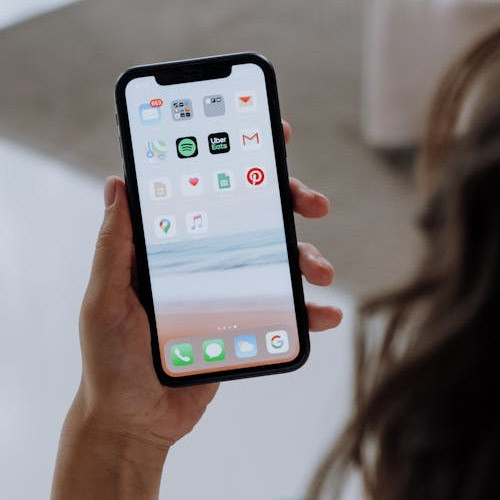
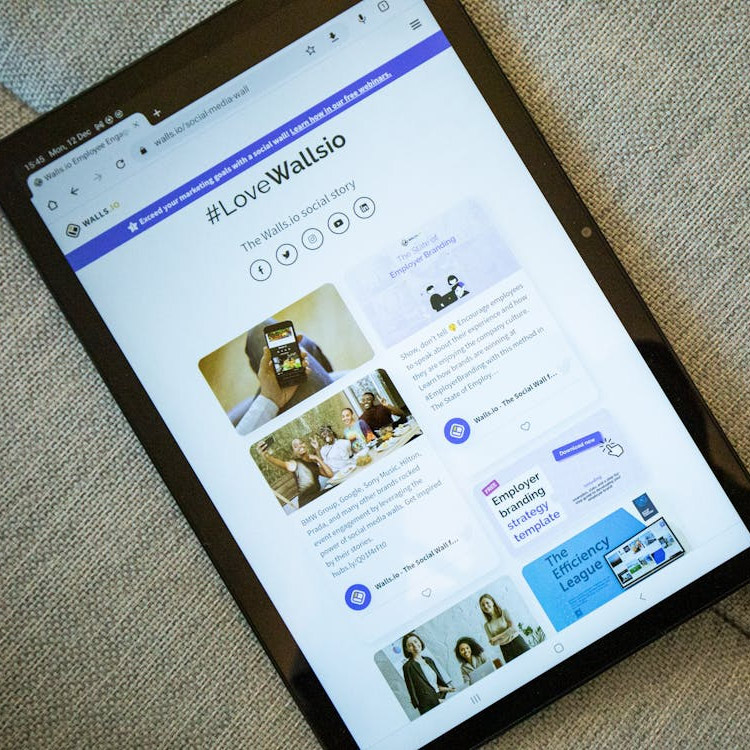


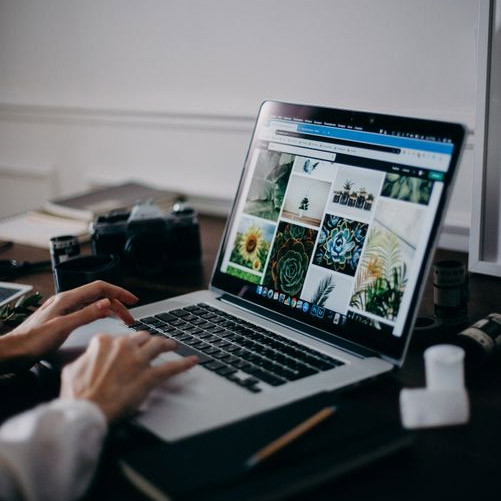


The monumental acquisition of Instagram by Facebook in 2012 was met not with universal applause, but with a distinct murmur of concern from Instagram’s loyal users. A key source of this anxiety, as highlighted by studies at the time, was the unspoken truth that these two social networks, while siblings under the same corporate roof, catered to fundamentally different tribes. Understanding this divergence isn’t just a historical footnote; it’s a crucial compass for any modern marketer navigating the social media landscape.
The Core Contrast: A Tale of Two Platforms
Before diving into the “who,” let’s briefly establish the “what.”
Facebook is the digital town square. It’s a comprehensive ecosystem built around connecting—with friends, family, groups, and events. It’s a repository for life updates, lengthy discussions, news articles, and a vast archive of personal history. Its environment is information-rich and text-heavy, designed to foster community and shared experiences over time.
Instagram, in stark contrast, is a visual discovery engine. It’s a curated gallery built around inspiration. The primary language here is visual—stunning photography, short-form videos (Reels), and ephemeral Stories. It’s less about documenting your entire life and more about sharing a specific, aesthetically pleasing perspective of it. The focus is on the present moment, creativity, and aspirational content.
A Demographic Divide: Who Truly Lives on Each Platform?
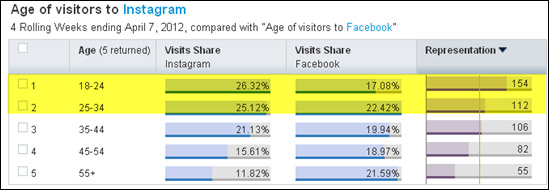
The classic distinction, supported by data from studies like the one by Experian Hitwise, points to a clear generational split.
Instagram: The Realm of the Young and Culturally Curious
Instagram’s heart beats with a younger demographic. Traditionally, its strongest foothold has been with the 18-34 age bracket. This audience is digitally native, has a keen eye for aesthetics, and consumes content at a rapid, scroll-happy pace. They are trendsetters and early adopters, using the platform for self-expression, exploring niches like fashion, travel, fitness, and art, and connecting with creators and brands that align with their identity.
Facebook: The Mainstream Mosaic
Facebook, having matured over nearly two decades, boasts a much broader demographic that mirrors the general population. While it still has a massive user base in the 25-44 range, its fastest-growing segments are often older adults, including the 55+ crowd. For them, Facebook is a utility—a one-stop shop for staying in touch with distant relatives, joining hobbyist groups, following local news, and organizing community events. It’s less about curated aesthetics and more about practical connection and information.
The Nuanced Overlap: It’s an oversimplification to say young people have abandoned Facebook entirely. Many use it for its specific utilities—like Groups and Events—while living their digital social lives primarily on Instagram and TikTok. The key is understanding the primary intent behind each platform’s use.
Marketing in Two Different Worlds: Strategy Follows Audience
Recognizing these audience differences is not just academic; it dictates two distinct marketing playbooks.
Crafting Your Instagram Strategy: Inspire and Engage
On Instagram, marketing is a visual conversation.
Focus on Aesthetics & Identity: Your brand’s visual identity—the color palette, the composition of your photos, the vibe of your Reels—is your first impression. It needs to be cohesive and compelling.
Embrace Video and Ephemerality: Utilize Reels to tell engaging stories and demonstrate products creatively. Use Stories for behind-the-scenes content, polls, and Q&As to foster a sense of authentic, immediate connection.
Leverage Influencers & User-Generated Content (UGC): Partner with creators who embody your brand’s values to tap into their trusted communities. Sharing UGC builds social proof and makes your customers the stars.
The Goal: Drive brand affinity, discovery, and engagement. The call-to-action is often subtle: “Double-tap if you agree,” or “Check out our latest drop in our bio.”
Mastering Your Facebook Approach: Inform and Convert
Facebook marketing operates more like a sophisticated digital storefront and community center.
Content is King, but Context is Queen: While visuals are important, they often serve to stop the scroll and frame a more detailed story. Use compelling copy to explain benefits, share news, and tell your brand’s narrative.
Harness the Power of Tools: Facebook’s robust advertising platform allows for hyper-specific targeting based on demographics, interests, and even behaviors. Use it to drive concrete actions like website visits, lead generation, and direct sales.
Build Communities with Groups: Create a branded Group to foster a dedicated community around your niche. This builds incredible loyalty and turns customers into advocates.
The Goal: Generate leads, drive traffic, and facilitate conversions. The call-to-action is direct: “Shop Now,” “Sign Up,” or “Learn More.”
The Grand Synthesis: Why the Family Works
The initial user concern over the acquisition ultimately highlighted the genius behind it. Instead of homogenizing the platforms, Meta has largely allowed them to retain their unique DNA. This creates a powerful symbiotic relationship for marketers. A user might discover an aspirational travel brand through a stunning Instagram Reel, then research it further by reading reviews and checking out its Facebook Page, and finally convert by clicking a targeted ad they see in their Facebook feed later.
In conclusion, the difference between Instagram and Facebook is not merely a matter of filters versus status updates. It’s a fundamental divergence in audience psychology and intent. The most successful social media strategies don’t blindly cross-post the same content to both. They respect the unique culture of each platform, crafting tailored messages that resonate with the distinct tribes who call each one home. By doing so, they transform a potential clash of cultures into a powerful, multi-front marketing symphony.